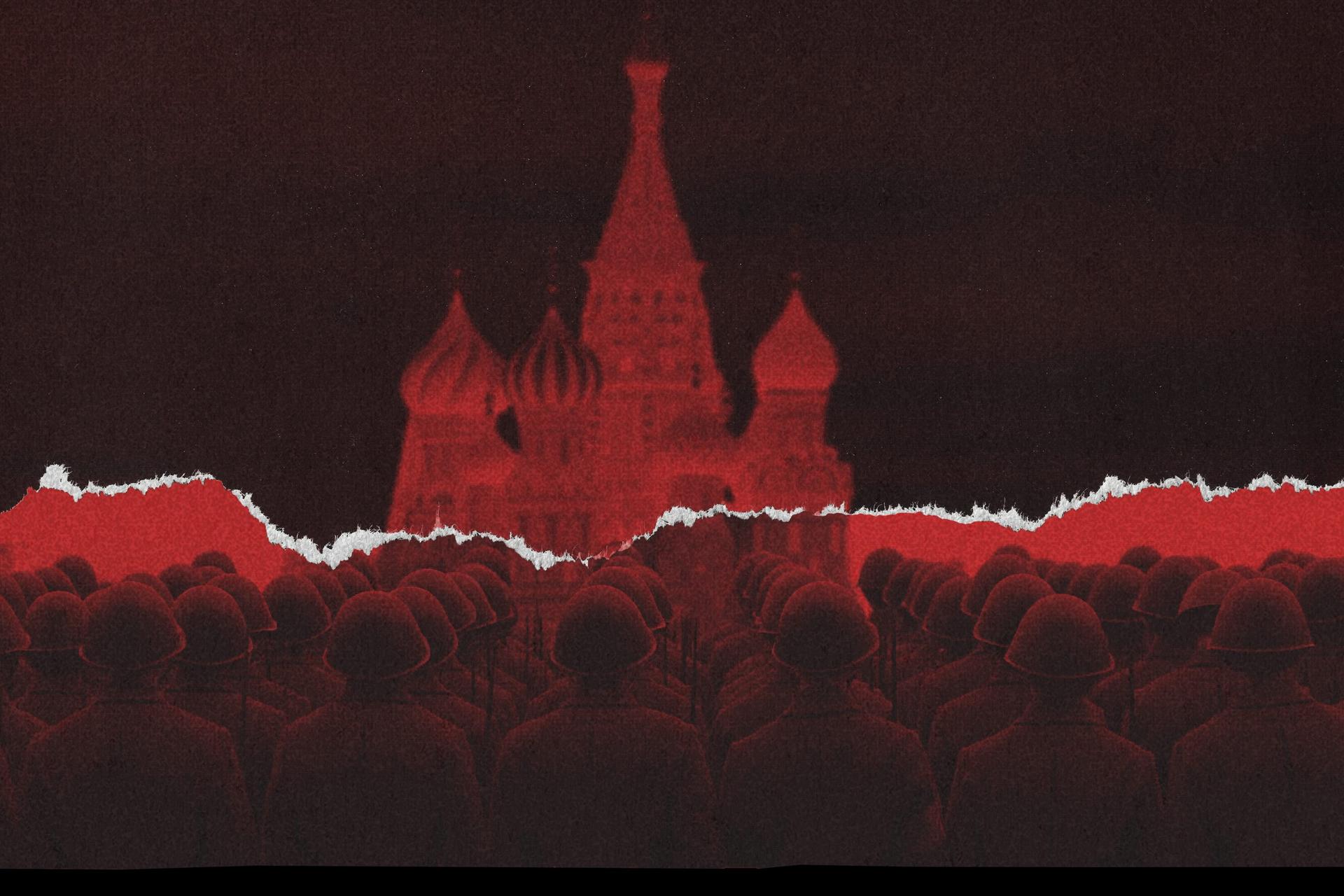
Today, bold moves by great powers are at the forefront of global politics. Russia is waging the biggest European land war since World War II in the hope of restoring the glory of its empire. China is rapidly expanding its armed forces and acting more aggressively in its coastal waters. More recently, U.S. President Donald Trump has even suggested that the United States could make a play for new territory in Canada, Greenland, or Panama.
After the Cold War, many Americans thought that old-fashioned power plays had largely ended, but that assessment “fundamentally misread what the collapse of the Soviet Union meant,” noted the scholar Walter Russell Mead in a 2014 essay. U.S. policymakers assumed that hard power was becoming obsolete and that the world’s biggest issues “would no longer concern boundaries, military bases, national self-determination, or spheres of influence.” As a result, the United States reduced spending on defense and diplomacy, betting that “the world would just go on becoming more prosperous and more free,” with little effort required.
Meanwhile, China and Russia began chipping away at the liberal international order—and the United States was slow to recognize it. These revisionist states realized that the playbook for gaining power had changed little “since the beginning of the nineteenth century.” To become strong, governments must “harness the titanic forces of industrial and informational capitalism.” But that transformation can be dangerous for the country undergoing it, as well as its adversaries. There is no assurance that China’s or Russia’s “path to stable liberal modernity will be any less tumultuous than, say, the one that Germany trod,” Mead warned. The present stage of history “is not a quiet time.”
|